
.webp)
How Sports Physicals Help Identify Hidden Health Issues and Prevent Injuries
Learn how sports physicals help identify hidden health issues and prevent injuries for athletes. Schedule your sports physical at Alfredo Ermac Jr, MD in Cypress, TX.
Schedule Appointment TodayFor athletes of all ages, ensuring they’re physically ready for the demands of sports is crucial to their safety, performance, and long-term health. One of the best ways to make sure an athlete is prepared is through a sports physical. Often required by schools, sports teams, and leagues, sports physicals are not just a formality—they are a vital step in identifying hidden health issues and preventing injuries.
At Alfredo Ermac Jr, MD in Cypress, TX, we emphasize the importance of sports physicals for athletes, whether they are beginners or seasoned players. In this blog, we’ll explore how sports physicals can help detect underlying health problems and provide athletes with a safer and more successful athletic experience.
What is a Sports Physical?
A sports physical, also known as a pre-participation physical examination (PPE), is a medical check-up designed to assess an athlete's fitness and readiness for physical activity. It is typically required by schools or sports organizations before an athlete can participate in organized sports.
Unlike a regular check-up, a sports physical focuses specifically on an athlete’s ability to perform physical activities safely. This includes assessing their cardiovascular health, musculoskeletal system, and other aspects of their physical condition that may impact their performance and risk for injury.
How Sports Physicals Help Identify Hidden Health Issues
While sports physicals are primarily conducted to evaluate an athlete’s ability to play sports safely, they also serve an important role in identifying hidden health issues that could be dangerous during physical activity. Here are several key health concerns that a sports physical can uncover:
1. Heart Conditions and Cardiovascular Health
One of the most critical areas of focus during a sports physical is the heart. Athletes who engage in intense physical activity put extra strain on their cardiovascular system. Sports physicals include screenings to identify potential heart conditions, such as:
- Heart murmurs
- Arrhythmias
- Hypertrophic cardiomyopathy (a condition where the heart muscle becomes abnormally thick, increasing the risk of heart failure or sudden cardiac arrest)
If any heart issues are identified during a sports physical, the athlete can be referred for further evaluation and treatment before participating in strenuous activities.
2. Asthma and Breathing Issues
Asthma and other respiratory conditions are common in athletes, particularly those participating in endurance sports such as running, swimming, and soccer. Sports physicals include questions about respiratory health, as well as tests to check for asthma symptoms or other breathing issues.
If asthma is detected, your doctor can recommend treatments or adjustments to the athlete’s exercise routine, ensuring they can participate safely while managing their condition effectively. In some cases, medication or an inhaler may be prescribed to help control asthma symptoms during physical activity.
3. Musculoskeletal Health: Preventing Injuries
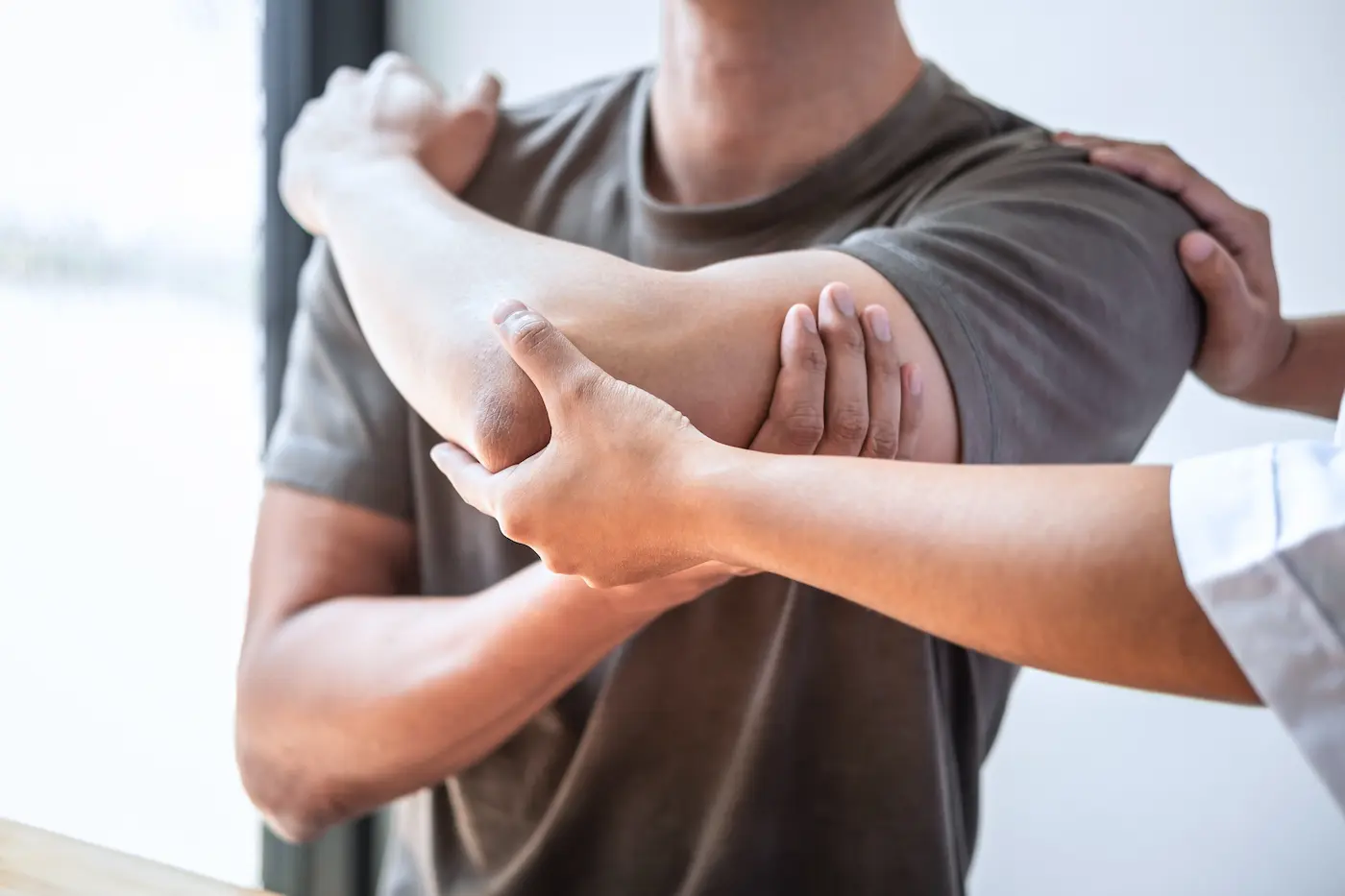
Many athletes are at risk of musculoskeletal injuries, whether from overuse, improper form, or accidents. During a sports physical, your doctor will assess the athlete's musculoskeletal system, including muscles, joints, and bones, to identify any weaknesses or abnormalities that could lead to injury.
By conducting physical exams such as joint flexibility tests, muscle strength assessments, and checking for signs of conditions like scoliosis or previous injuries, the doctor can determine whether the athlete is at risk for issues like:
- Sprains and strains
- Fractures or stress fractures
- Tendonitis or ligament injuries
Identifying potential problems early on allows for preventative strategies, such as proper warm-ups, stretching routines, and corrective exercises, which can reduce the risk of injuries during sports.
4. Vision and Hearing Problems
Proper vision and hearing are essential for most sports, and undiagnosed issues with eyesight or hearing could pose significant challenges during physical activities. During a sports physical, the doctor may conduct vision and hearing tests to check for any abnormalities that could impair an athlete’s performance.
For example, poor vision can affect an athlete’s ability to track a ball, judge distance, or see opponents clearly, leading to potential accidents. Similarly, hearing issues could affect an athlete’s ability to hear coaches, teammates, or warning signals during a game. If problems are detected, referrals to specialists or corrective measures like glasses or hearing aids can be made to help the athlete perform better and stay safe.
5. Mental Health and Emotional Well-being
Athletes often face high levels of pressure, whether it comes from school, parents, or coaches. This pressure, combined with the physical demands of sports, can affect their mental health. Sports physicals now often include screenings for mental health conditions such as anxiety, depression, and stress-related disorders, which can impact performance and overall well-being.
Mental health is just as important as physical health when it comes to athletic performance. Identifying signs of mental health challenges early on allows for timely intervention, counseling, and support, ensuring that athletes are not only physically fit but also mentally prepared for the challenges of sports.
Preventing Injuries Through Early Detection
A key benefit of sports physicals is the ability to prevent injuries by identifying health concerns before they lead to serious problems. For example, undiagnosed muscle imbalances, poor posture, or improper technique can lead to overuse injuries like shin splints, stress fractures, or tendinitis. Sports physicals allow healthcare providers to spot these issues early and offer advice on strengthening muscles, improving posture, and using proper equipment.
Additionally, if an athlete has a pre-existing injury, a sports physical can ensure that it is healed properly or that the athlete is fit to return to play. This helps prevent aggravating the injury and causing long-term damage.
What to Expect During a Sports Physical
A typical sports physical includes a variety of assessments to evaluate an athlete’s overall health. These typically include:
- Medical history review: A comprehensive look at the athlete’s health, family history, and any previous injuries or conditions.
- Physical exam: A thorough examination of the athlete’s heart, lungs, joints, muscles, and skin.
- Vital signs: Blood pressure, heart rate, and other key indicators of health.
- Vision and hearing tests: Screening for vision and hearing issues that may affect performance.
- Fitness evaluation: Assessments of strength, flexibility, and overall fitness.
The physical typically takes 20 to 30 minutes, and the results will help determine whether the athlete is fit for competition or whether further evaluation or treatment is needed.
Why You Should Schedule a Sports Physical
A sports physical is an essential part of preparing for a new season or a new sport. It ensures that athletes are healthy, ready, and safe to participate, while also identifying any underlying health issues that could affect performance or lead to injury.
At Alfredo Ermac Jr, MD, we prioritize the health and safety of athletes in our care. Whether your child is joining a new sports team or you’re an adult athlete preparing for a season, a sports physical is a vital step in safeguarding their health and ensuring they perform at their best.
Schedule Your Sports Physical Today
If you or your child needs a sports physical, don’t wait until the last minute. Alfredo Ermac Jr, MD, in Cypress, TX, is here to help. Our team will provide a comprehensive sports physical to ensure you are ready for the next season, injury-free.
Read More Blogs!
Stay updated with the latest blog posts and engage with our community.